Being handed wound care instructions at a hospital discharge, or noticing a wound on a parent or loved one for the first time, can feel overwhelming. Most home wound care follows a few consistent principles, and knowing them can make caregiving feel far more manageable.
Start With the Basics
Before anything else, understand what kind of wound you're dealing with and what your loved one's healthcare provider has recommended. This guide covers general principles, but specific instructions from a provider should always take priority.
The Core Principles of Home Wound Care
- Wash your hands before and after every wound care session.
- Clean the wound gently using an appropriate wound cleanser, avoid harsh soaps or scrubbing.
- Keep the wound moist, not dry. A moist wound environment is widely considered supportive of the body's natural healing process, in contrast to letting a wound air-dry into a hard scab.
- Apply an appropriate wound gel or ointment as directed, to help maintain moisture balance and a clean wound surface.
- Cover with a sterile dressing and change it on the schedule recommended by the provider.
- Keep a simple log. Noting the wound's size, appearance, and any drainage at each change can help you and the care team track progress.
What to Watch For
Contact a healthcare provider if you notice:
- Increasing redness, warmth, or swelling around the wound
- A foul odor or unusual drainage
- Fever or your loved one feeling generally unwell
- A wound that isn't showing improvement after about two weeks
- Increasing pain at the site
Tips for Making Wound Care Easier
- Set a consistent time of day for dressing changes so it becomes routine.
- Gather supplies beforehand (cleanser, gel, dressings, tape, gloves) so you're not searching mid-change.
- Explain each step out loud to your loved one; it can ease anxiety for both of you.
- Ask questions. If a provider's instructions are unclear, it's always worth asking them to walk through it again.
Where Lavior's Multipurpose Wound Gel Fits
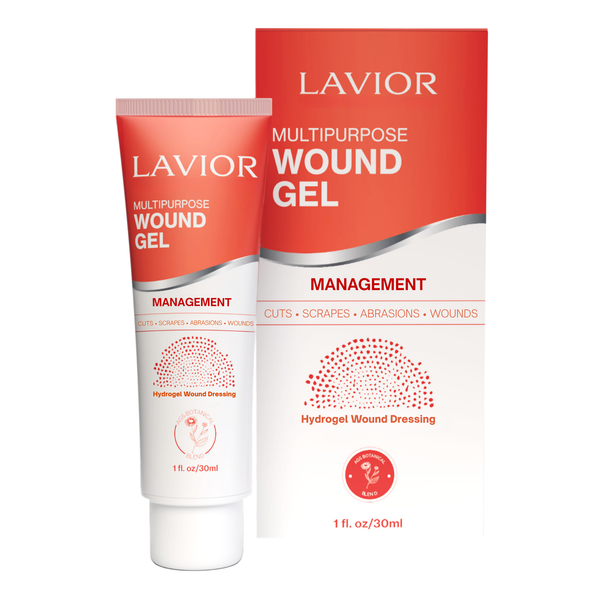
Lavior's Multipurpose Wound Gel is formulated to be a versatile, easy-to-use option for caregivers managing a range of wound types at home, including cuts, scrapes, minor burns, pressure ulcers, and other chronic or acute wounds. It helps maintain a moisture-rich, protective wound environment, provides rapid antimicrobial activity, and supports the body's natural healing processes, making it a straightforward addition to a home wound care routine.