Good surgical scar care starts with following your surgeon's instructions, keeping the incision clean while it closes, and then keeping the new skin moisturized and protected from the sun. Every surgery leaves a scar, and how you care for the skin during recovery can influence how it looks and feels over time.
Most people focus on pain control and follow-up visits after surgery, which makes sense. But the skin around an incision needs attention too, whether the procedure was cosmetic, reconstructive or medical.
How does a surgical scar form?
A scar is the body's natural repair of a cut through the skin. After an incision closes, the body lays down collagen to rebuild the area, and that collagen keeps reorganizing for months.
Early scars are often pink, red or raised and may feel tight or itchy. Over many months, most scars gradually flatten, soften and fade. To know what is normal along the way, see What Does Normal Wound Healing Look Like After Surgery?
How should you care for a surgical scar?
Care changes as the incision heals. A general sequence looks like this:
- While the incision is open or has stitches: follow your surgeon's wound care instructions exactly, keep the area clean and dry as directed, and do not apply creams or gels unless you are told to.
- Once the incision has closed: ask your surgeon when you can start moisturizing. Gentle, fragrance-free products are usually the safest choice. See When Can I Put Lotion on My Incision?
- In the months that follow: keep the skin moisturized, protect it from the sun, and ask your surgeon whether gentle massage or silicone products are right for you.
Why does sun protection matter?
New scar tissue is sensitive to sunlight and can darken permanently if it burns or tans. Cover the scar with clothing or use a broad-spectrum sunscreen once your surgeon says the skin is ready, and keep doing so for at least the first year.
Why do surgical scars itch and feel tight?
Itching and tightness are common as nerves and skin recover. Dryness makes both worse, so keeping the area moisturized can help with comfort.
Try not to scratch, which can irritate new skin. For more tips, read How to Manage Itching Around a Healing Incision.
What can affect how a scar looks?
Some factors are out of your control, such as genetics, skin type, age and where the incision is. Others you can influence:
- Tension: avoid stretching or straining the area while it heals.
- Infection: report redness, warmth, swelling or drainage to your surgeon promptly.
- Smoking: it reduces blood flow to healing skin.
- Sun exposure: protect the scar as described above.
Some people are prone to raised scars (hypertrophic scars) or keloids that grow beyond the original incision. If a scar becomes thick, raised, painful or keeps growing, talk to your surgeon or a dermatologist about options. Our guide How to Support the Appearance of a Scar After Surgery goes into more detail.
How Lavior's Post-Surgical Skin Barrier Gel fits in
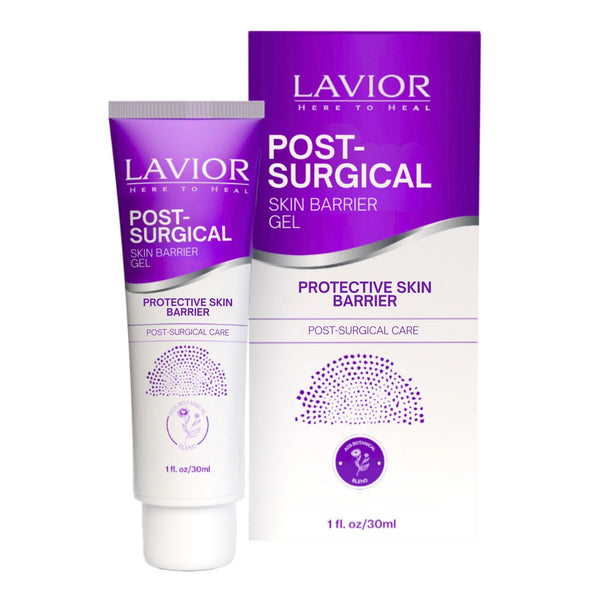
Lavior™ Post-Surgical Skin Barrier Gel is a clean, gentle formula that helps create a moist, protected environment for recovering skin. Follow the product label and your healthcare professional's guidance on when to begin use. Like every Lavior formula, it is built around Inula AGS-RIED, Lavior's proprietary extract of the Mediterranean plant Inula viscosa. It is lightweight, fragrance-free, steroid-free and suitable for sensitive skin. Ask your surgeon when it is appropriate to start using it on your incision area.