Diabetes Awareness Month is observed every November to draw attention to diabetes prevention, early detection, management and the everyday challenges of living with the condition. The month includes World Diabetes Day on November 14, the birthday of insulin co-discoverer Sir Frederick Banting.
It is a good time to learn how diabetes affects the body, what can be done to prevent type 2 diabetes, and why steady, year-round care matters.
Why is Diabetes Awareness Month in November?
November was chosen because it includes the birthday of Sir Frederick Banting, who co-discovered insulin, the hormone therapy that transformed care for people with diabetes. World Diabetes Day, led by the International Diabetes Federation and the World Health Organization, is held on his birthday, November 14.
In the United States, November is recognized as National Diabetes Month, and organizations such as the American Diabetes Association use it to educate communities. The focus throughout is on healthy lifestyles, early detection and access to proper care.
How does diabetes affect the body?
All types of diabetes lead to high blood sugar, and over time that can damage blood vessels, nerves and organs throughout the body. Type 1 diabetes occurs when the body makes little or no insulin, while type 2 occurs when the body does not use insulin effectively.
The effects of prolonged high blood sugar include:
- Heart and blood vessel disease, including heart attack and stroke
- Kidney damage (diabetic nephropathy)
- Eye damage (diabetic retinopathy), which can lead to vision loss if not managed
- Nerve damage (neuropathy), causing tingling, numbness or pain, often in the feet
- A weaker immune response, raising the risk of infections
- Slow wound healing, which, together with neuropathy and poor circulation, raises the risk of foot ulcers and amputation
That is why daily foot checks and prompt attention to any cut or sore matter so much. Our guide to diabetic wound care at home walks through the basics.
What are the key trends in diabetes worldwide?
Diabetes has become far more common over the past few decades, and the increase has been fastest in low- and middle-income countries. According to the World Health Organization, the number of people living with diabetes has risen sharply since 1980, and diabetes remains a major cause of death, kidney failure, blindness and lower-limb amputation.
For the latest figures, the WHO diabetes fact sheet and the CDC's National Diabetes Statistics Report are updated regularly.
Can type 2 diabetes be prevented or delayed?
Often, yes. A healthy diet, regular physical activity, maintaining a healthy body weight and avoiding tobacco are effective ways to prevent or delay type 2 diabetes.
For people already living with diabetes, its effects can be managed and complications delayed through a combination of diet, physical activity, medication and regular screening for complications. Learn more in can type 2 diabetes be prevented? and how type 2 diabetes is treated.
Why diabetes care matters all year
Awareness months are a reminder, but diabetes care happens every day. Regular checkups, steady blood sugar management, daily foot checks and good skin care all help lower the risk of serious complications. Any wound that is not improving should be seen by a healthcare provider promptly.
How Lavior's Diabetic Wound Hydrogel fits in
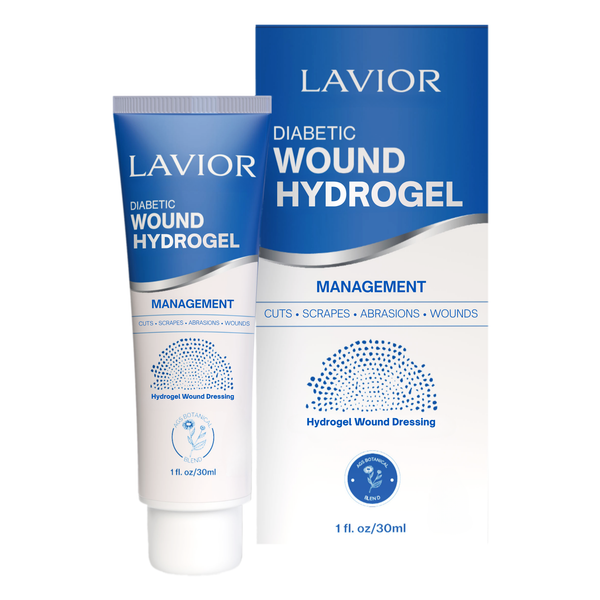
Lavior™ Diabetic Wound Hydrogel helps maintain a moist wound environment when used for the indications described on its label. Follow the product instructions and your healthcare professional's wound care plan. Like every Lavior formula, it is built around Inula AGS-RIED, Lavior's proprietary extract of the Mediterranean plant Inula viscosa.