A callus becomes dangerous for a person with diabetes when it cracks, turns dark, feels hard and stone-like, or shows redness, warmth, fluid or a blister underneath, because these can mean the tissue beneath it is breaking down into an ulcer. With reduced sensation, that damage can happen without pain.
Many people treat calluses as a harmless rough patch. With diabetes, a callus is better seen as a sign that one area of the foot is under too much pressure or friction, and it deserves closer attention.
Why do calluses form more easily with diabetes?
A callus forms when skin is repeatedly pressed or rubbed, so the body builds thicker, tougher layers to protect it. Several diabetes-related changes make that more likely:
- Reduced sensation from neuropathy: you may not feel the friction or pressure that is building up.
- Dry skin: nerve changes can reduce sweating, leaving skin drier and more prone to thickening and cracking.
- Changes in foot structure: high arches, flat feet, bunions or hammertoes create pressure points.
- Footwear: shoes that are tight, loose, thin-soled or rough inside concentrate stress on the same spots. See footwear mistakes that lead to ulcers.
Why can a callus turn into an ulcer?
A thick callus acts like a stone in your shoe. It raises pressure on the soft tissue underneath with every step, and that tissue can bleed or break down beneath the surface. Because the callus covers it, the damage may not be visible until it opens into an ulcer. This is why calluses are common at the sites where diabetic foot ulcers form. Learn more in what a diabetic foot ulcer is.
What are the warning signs of a dangerous callus?
Contact your healthcare provider or podiatrist if a callus:
- Splits or cracks
- Feels hard or rock-like under the skin
- Has redness around it or feels warm
- Has fluid, drainage or a blister underneath
- Has a dark red, brown or black spot in it, which can mean bleeding under the skin
- Causes pain when walking or standing
- Sits next to skin that is darkening or changing color
Any of these signs means the callus should be assessed rather than managed at home.
How should people with diabetes care for calluses?
Safe callus care with diabetes is gentle, consistent and leaves trimming to a professional.
- Never cut, shave or file a callus aggressively at home. Avoid razor blades, corn plasters and over-the-counter acid corn removers, which can injure skin. A small accidental cut can become infected.
- Moisturize daily. A fragrance-free moisturizer on the tops and soles (not between the toes) helps keep skin supple and less prone to cracking. Cracked heels need similar care; see why cracked heels happen.
- Reduce the pressure. Cushioned insoles, padding recommended by your podiatrist and well-fitting shoes address the cause of the callus.
- Choose the right shoes. Look for a wide toe box, soft interior and supportive sole.
- Check your feet daily. A quick look at the soles and toes can catch new pressure spots early.
- See a podiatrist for trimming. A professional can safely reduce thickened skin (debridement) and check for breakdown underneath.
Can moisturizing help with calluses?
Moisturizing helps keep skin flexible and less likely to crack, and regular use can soften thickened skin over time. It does not remove the pressure that caused the callus, so it works best alongside better footwear, offloading and professional care. Look for fragrance-free products suitable for sensitive skin, with hydrating ingredients such as glycerin, ceramides or urea.
How often should calluses be checked?
If you have diabetes and recurring calluses, your podiatrist may want to see you every few months rather than once a year, depending on your sensation, circulation and history. Ask what schedule fits your risk level. Our diabetic foot hygiene guide covers the daily check in more detail.
How Lavior's Diabetic Skin Barrier Cream fits in
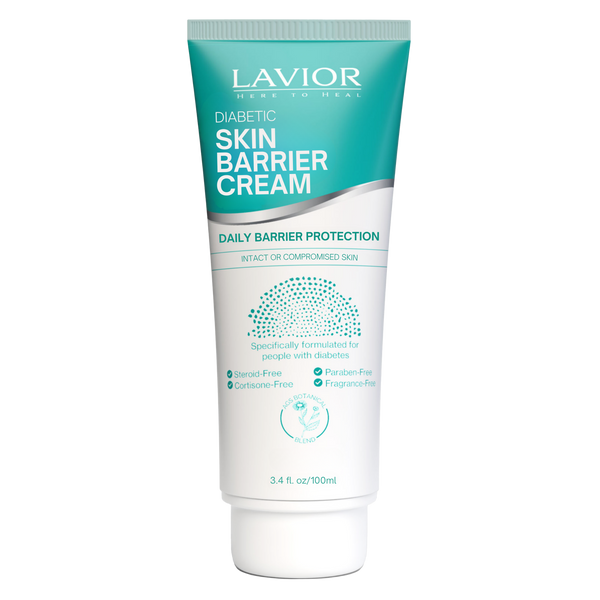
Lavior™ Diabetic Skin Barrier Cream is a fragrance-free, plant-based formula designed to support the skin's natural barrier and provide long-lasting hydration of dry, intact skin, without steroids. It is intended for intact skin, not open or bleeding fissures. Like every Lavior formula, it is built around Inula AGS-RIED, Lavior's proprietary extract of the Mediterranean plant Inula viscosa. It is fragrance-free and suitable for sensitive skin. Apply it to intact skin as part of your daily routine, not on open or cracked areas that look irritated, and have any callus with the warning signs above checked by a podiatrist.
Sources
- Schaper NC, et al. Practical guidelines on the prevention and management of diabetes-related foot disease (IWGDF 2023 update). Diabetes Metab Res Rev. 2024;40(3):e3657. doi:10.1002/dmrr.3657
- American Diabetes Association Professional Practice Committee. 12. Retinopathy, neuropathy, and foot care: Standards of Care in Diabetes—2025. Diabetes Care. 2025;48(Suppl 1):S252–S265. doi:10.2337/dc25-S012