Diabetes causes dehydration because when blood sugar runs high, the kidneys flush out the extra glucose in urine and pull extra water out with it. That is why frequent urination (polyuria) and increased thirst (polydipsia) are classic signs of diabetes, and why they often reflect how well blood sugar is controlled.
Along with marked dehydration, these are often among the first symptoms of diabetes. Here is why the body loses fluid, why it matters, and how to stay hydrated.
Why does high blood sugar cause fluid loss?
There are two main reasons.
- The kidneys flush out extra glucose. When blood glucose rises above normal, the kidneys try to bring it down by removing sugar in the urine. Glucose draws water with it (a process called osmotic diuresis), so the more sugar that is excreted, the more fluid the body loses.
- High glucose draws water out of cells. A high concentration of glucose in the blood pulls water out of the body's cells, leaving them dehydrated even before you feel thirsty.
How do dehydration and blood sugar affect each other?
They can form a vicious cycle. As the body loses fluid, glucose becomes more concentrated in the blood. Higher glucose then drives more urination and more fluid loss. Dehydration is also associated with increased insulin resistance, which can make blood sugar harder to control. Staying hydrated, alongside your diabetes plan, helps break that cycle.
What are the symptoms of dehydration?
As water content in the body falls, the skin becomes dry, and so do the mouth and eyes. You may also notice:
- Increased thirst
- Headache
- Tiredness
- Dizziness
- Darker urine
Severe dehydration can cause a drop in blood pressure, sunken eyes, a weak pulse, confusion and lethargy. These need urgent medical attention, especially if blood sugar is also very high.
What does dehydration do to diabetic skin?
Fluid loss is one reason people with diabetes often have dry skin. Dehydrated skin feels tight, flakes, itches and cracks more easily, and cracks can become entry points for infection. Drinking enough fluid helps, but skin usually also needs daily moisturizing. See why diabetes causes dry, cracked skin and moisture balance for diabetic skin.
How can people with diabetes stay hydrated?
People with diabetes are at greater risk of dehydration, especially in summer, when even mild physical activity can cause significant fluid loss. There is no single rule for how much to drink, because needs depend on temperature, activity and your health, but these habits help:
- Sip regularly. Small amounts through the day are easier than large amounts at once. Building drinks into your routine, such as with each meal and at set times, makes it a habit.
- Choose water first. Water and unsweetened drinks are the best everyday choices. Sugar-free green tea, hot or iced, is a good option for variety.
- Limit sugary drinks. Sports and energy drinks are high in added sugar and are best avoided unless your provider recommends them for a specific situation.
- Be careful with alcohol. Alcohol affects fluid and electrolyte balance and blood pressure. If you drink, do so in moderation and discuss it with your provider.
- Drink more in heat and during exercise. Plan ahead for hot days and activity.
- Check with your provider if you have kidney or heart conditions, since some people need to limit fluids.
Persistent thirst and frequent urination despite drinking more can be a sign that blood sugar is running high, so check your levels and contact your provider. For broader daily skin habits, see 8 daily tips for healthy diabetic skin.
How Lavior's Diabetic Skin Barrier Cream fits in
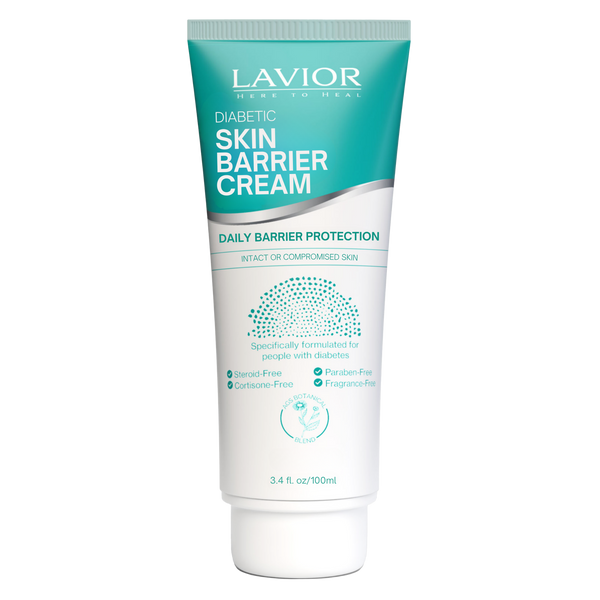
Hydration from the inside helps, and skin also benefits from care on the outside. Lavior™ Diabetic Skin Barrier Cream is a fragrance-free, plant-based formula designed to support the skin's natural barrier and provide long-lasting hydration of dry, intact skin, without steroids. It is intended for intact skin, not open or bleeding fissures. Like every Lavior formula, it is built around Inula AGS-RIED, Lavior's proprietary extract of the Mediterranean plant Inula viscosa.