Bed sores, also called pressure ulcers or pressure injuries, develop when constant pressure on one area of skin cuts off blood flow, most often in people with limited mobility. They're common in home caregiving situations, and understanding how to support prevention and care can make a meaningful difference.
Why Pressure Ulcers Happen
Pressure ulcers typically form over bony areas such as the heels, hips, tailbone, elbows, and back of the head, in people who spend long periods in a bed or chair without repositioning. Reduced circulation, moisture (from sweat or incontinence), friction, and poor nutrition can all increase risk.
Prevention Basics for Caregivers
1. Reposition regularly. Shifting position every 1–2 hours in bed (or more frequently in a chair) relieves sustained pressure.
2. Keep skin clean and dry. Moisture from sweat or incontinence increases risk, so gentle, prompt cleaning matters.
3. Check skin daily, especially over bony areas, for redness, warmth, or changes in texture.
4. Support nutrition and hydration, which play a role in skin resilience and healing capacity.
5. Use supportive surfaces like pressure-relieving cushions or mattress pads where appropriate.
Caring for a Pressure Ulcer That Has Already Formed
● Clean the area gently with an appropriate wound cleanser.
● Maintain a moist wound environment. This is widely considered supportive of the body's natural healing processes, compared to letting the area dry out.
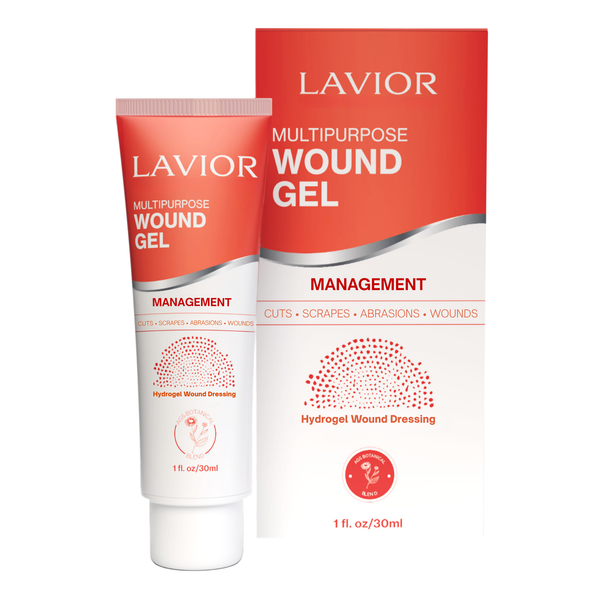
● Apply a hydrogel formulated for wound care to help maintain moisture balance and support a clean wound surface.
● Cover with an appropriate dressing and change as directed.
● Continue offloading pressure from the area, since healing is much slower if pressure continues.
● Involve a healthcare provider, especially for anything beyond an early-stage sore, as pressure ulcers can progress quickly if not properly managed.
Where Lavior's Multipurpose Wound Gel Fits
Lavior's Multipurpose Wound Gel is formulated to support pressure ulcers among a wide range of wound types. As a hydrogel, it helps maintain optimal moisture balance, provides rapid antimicrobial activity, and supports autolytic debridement (the body's natural process for clearing damaged tissue), while helping maintain a clean, protective wound environment for caregivers managing wound care at home.